Feel at Home in China
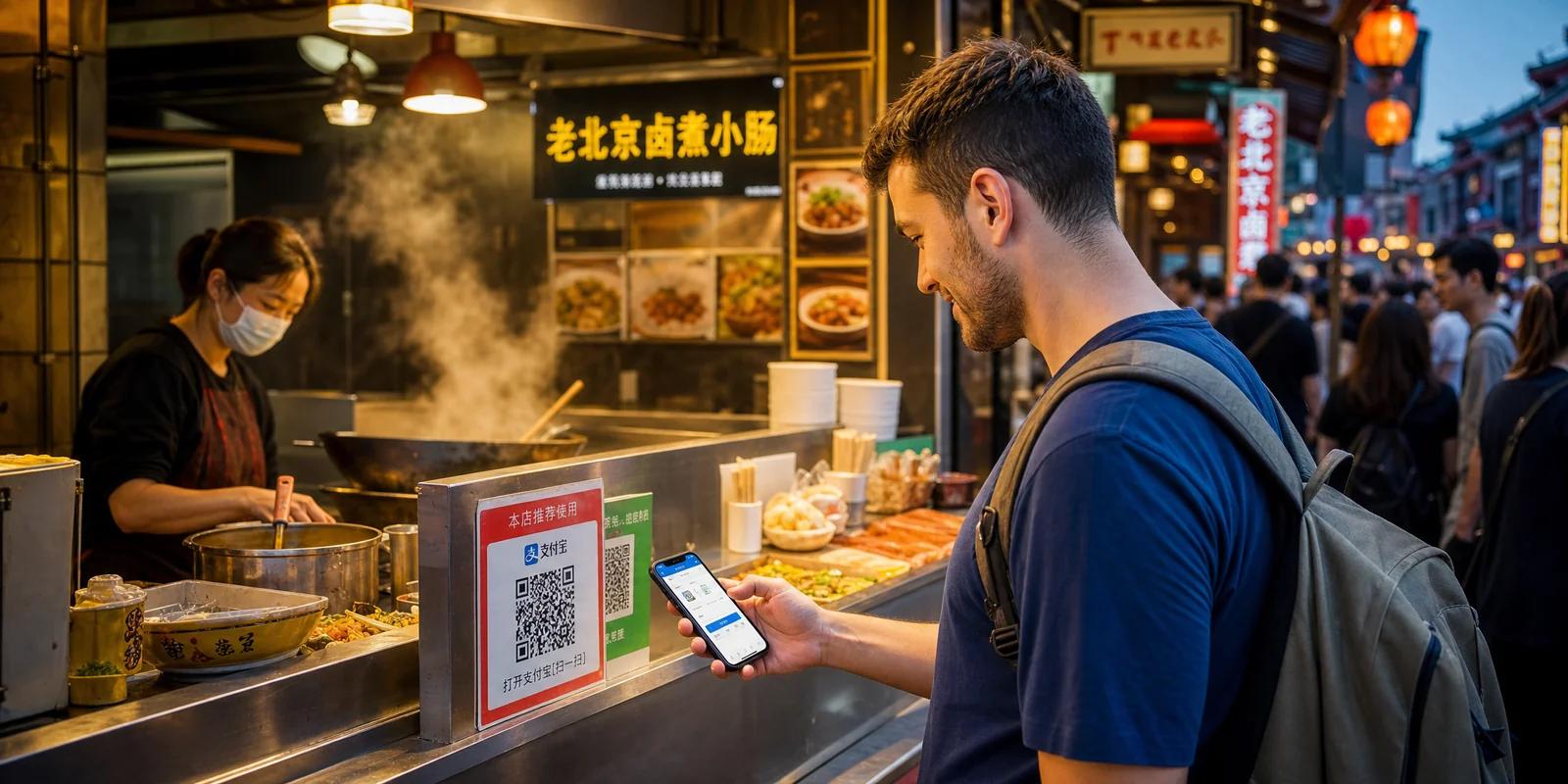
From the moment you arrive in China, you’ll notice that everyday life is highly digital. Whether you’re paying for a coffee, booking a taxi, finding a restaurant or taking the metro, your smartphone quickly becomes one of your most valuable everyday tools.
This guide will help you understand how everyday life works in China. You’ll discover the essential digital tools, practical services and local habits that will make your transition smoother and help you feel at home more quickly.
Understanding China’s Digital Ecosystem
One of the biggest surprises for many newcomers is how different China’s digital ecosystem is from what they are used to. While a single app such as Google can help you search, navigate and find local businesses in many countries, daily life in China relies on several specialised apps, each designed for a different purpose.
Although this may seem overwhelming at first, you only need a small selection of carefully chosen apps to get started. As you settle into life in China, you’ll naturally become familiar with additional apps that match your own needs and lifestyle.
Before choosing your everyday apps, here are a few useful things to know:
- Different apps are designed for different purposes, such as transportation, shopping, food delivery, travel and communication.
- Many apps offer similar services. Rather than downloading every available app, we recommend starting with one app for each type of service before exploring alternatives.
- Google Maps is generally not recommended for everyday use in mainland China because maps, addresses and business information are often incomplete or outdated.
- Apple Maps is appreciated by many iPhone users thanks to its English interface. It is particularly useful for locating nearby metro stations and getting your bearings, although local Chinese apps usually provide more accurate and up-to-date information.
- For Android users, we generally recommend Amap (Gaode Maps). It offers highly accurate routes, real-time traffic information and detailed public transport planning. An English version is available, but the Chinese version remains more complete and receives new features first.
- Organic Maps is an excellent complementary app for both Android and iPhone users. Its offline English maps are particularly useful when travelling or when internet access is limited.
During your orientation, Scout Relocation can also share a curated WeChat collection of useful locations based on your interests and family needs. These include international schools, residential compounds, hospitals, supermarkets, shopping malls, restaurants, cafés, sports facilities and many other useful places. Each location includes a map together with direct links to trusted local platforms such as Dianping or Meituan, helping you discover your new city much more quickly.
Your Essential Digital Toolkit
Getting started is easier than it may seem. While China offers thousands of mobile apps, you only need a small selection to manage almost every aspect of daily life during your first weeks. Once you’re comfortable with these essentials, you can always explore additional apps that offer similar services.
We recommend starting with the following apps:
- WeChat for messaging, WeChat Pay, mini programs and many everyday services
- Alipay for mobile payments, transportation and a wide range of daily services
- DiDi for taxis and private ride-hailing services (also available through Alipay if you are unable to download the standalone DiDi app)
- Dianping for discovering restaurants, cafés, attractions and reading local reviews
- Meituan for food delivery, grocery delivery and local services
- Taobao for everyday online shopping
- JD.com for fast online shopping, especially electronics and household items
- Trip.com for booking flights, trains and hotels within China and abroad
- Amap (Gaode Maps) for navigation, public transportation and real-time traffic information. The Chinese version offers the most complete experience, with more accurate addresses, better public transport information and the latest features. An English version is available, making it easier for newcomers to get started, but it provides fewer features and less detailed information.
- Organic Maps for offline maps in English. While it does not offer live traffic or public transport planning like Amap, many expatriates find it easier to use than Amap’s English version, especially during their first weeks in China or whenever internet access is limited.
Many other excellent apps are available in China, and several of them offer similar services. For example, if you are unable to download the standalone DiDi app, you can still book taxis directly through Alipay. Meituan and Ele.me are both excellent choices for food delivery, while Dianping is widely used to discover restaurants, cafés and attractions through reviews and recommendations. Rather than downloading every available app, we recommend starting with this small selection and adding others only if they better suit your needs.
Getting Around China
Getting around in China is easy once you become familiar with the available transportation options. Major cities offer modern public transportation networks, affordable taxis and convenient shared mobility services, making it possible to travel almost anywhere without owning a car.
Whether you’re commuting to work, exploring your city or travelling across the country, here are the main transportation options you’ll use most often:
- Metro – The fastest way to travel during rush hour. Alipay allows you to pay for metro rides directly from your smartphone without purchasing individual tickets. Amap or Apple Maps can help you plan your journey.
- Bus – Extensive networks cover every city. Bus routes can be searched with Amap, while fares can usually be paid directly through Alipay.
- Taxi & Ride-Hailing – DiDi is China’s leading ride-hailing platform. If you cannot download the standalone DiDi app, you can also book rides directly through Alipay.
- Shared Bicycles – Bike sharing is available almost everywhere in China’s major cities. HelloRide (blue bikes) can be unlocked through Alipay, while Meituan Bike (yellow bikes) is available through the Meituan app. Both are ideal for short journeys and the last mile between public transport and your destination.
- High-Speed Trains – One of the fastest and most convenient ways to travel across China. Compare schedules and book tickets through Trip.com or the official 12306 app.
- Domestic & International Flights – Trip.com makes it easy to compare airlines and book flights within China and abroad.
Both Alipay and WeChat offer access to a wide range of transportation services through mini programs. For most newcomers, however, we generally recommend using Alipay for everyday travel. It provides a more straightforward experience by bringing together metro, buses, DiDi and HelloRide within a single app. While most WeChat mini programs can be translated into English, they are generally less intuitive and less convenient to use than Alipay.
Shopping, Groceries & Home Deliveries
Shopping in China is one of the aspects of daily life that surprises newcomers the most. Whether you need groceries, household items, electronics, furniture or a last-minute gift, almost everything can be ordered from your smartphone and delivered directly to your home.
Behind this convenience is one of the world’s most efficient delivery networks. In every major city, thousands of delivery riders are constantly on the move, collecting and delivering orders throughout the day and often late into the evening. You’ll quickly recognise them by the different colours of their uniforms, each representing a different delivery platform.
Delivery times depend on the type of product, where it is stored and whether it is a standard or customised item. A coffee, meal or pharmacy order may arrive in as little as 15 to 30 minutes, while groceries and many everyday products are often delivered the same day or the next day. Items shipped from another city may take several days, while customised products can sometimes require a few weeks. Most platforms also allow you to track your order in real time from dispatch to delivery.
The final delivery is just as convenient. In most residential compounds, delivery riders can bring your order directly to your apartment door. In some buildings, parcels are left at the reception desk or a central collection point for residents to collect. Although this is becoming less common, it still exists in some compounds. In serviced apartments and apart-hotels, deliveries are often received by the reception staff before being brought directly to your room.
Here are some of the most common shopping and delivery services you’ll use in China:
- Online shopping – Taobao offers millions of products at competitive prices, while JD.com is well known for fast delivery and reliable service, particularly for electronics and household items.
- Food & grocery delivery – Meituan and Ele.me allow you to order meals, groceries, medicines, flowers, convenience store items and many other everyday essentials.
- Imported supermarkets – Most major cities have supermarkets specialising in imported food and international products. Depending on the city, you may find stores such as April Gourmet, Jenny Lou’s, Sam’s Club, Metro, Ole’, BLT, City Shop or CitySuper.
- Chinese supermarkets – Chains such as Jingkelong, Wumart, Yonghui and Hema Fresh offer an excellent selection of fresh produce, groceries and household products.
- Convenience stores – Chains such as FamilyMart, Lawson and 7-Eleven are found throughout most cities and are ideal for everyday purchases. Many also offer delivery through Meituan or Ele.me.
- Parcel lockers – Most residential compounds have secure parcel lockers or collection points, allowing you to collect deliveries whenever it’s convenient.
- WeChat community groups – Many expatriates buy imported food, fresh fruit and vegetables, quality meat, seafood, wine, cheese and other specialty products through trusted WeChat groups. These communities are also an excellent source of local recommendations and often provide access to products that are not easily found in traditional supermarkets.
One of the best ways to discover your new city is through the local community. Having lived and worked in China for more than 20 years, Scout Relocation has built built an extensive network of trusted WeChat communities and carefully selected local recommendations. Depending on your interests and family needs, we can introduce you to groups where expatriates share recommendations for imported groceries, fresh produce, quality meat and seafood, wine, cheese, bakeries, restaurants, family activities, sports clubs, local events and many other useful services. We also maintain our own curated WeChat collections of recommended places, including international schools, residential compounds, hospitals, supermarkets, shopping malls, cafés, restaurants and everyday services. Each location includes a map together with direct links to platforms such as Dianping or Meituan, making it much easier to discover and enjoy your new city.
What Will Surprise You Most
Every country has its own habits and routines. China is no exception. During your first weeks, you’ll probably be surprised by how digital, efficient and convenient everyday life can be. Here are a few things that most newcomers don’t expect.
Here are some of the things that surprise most newcomers when they first arrive in China:
- Your smartphone becomes your wallet. You’ll quickly use it to pay, order food, book taxis, unlock shared bicycles, buy train tickets and much more.
- Running out of battery isn’t the end of the world. Portable power banks can be rented almost everywhere. Shopping malls, cafés, restaurants, convenience stores, metro stations and airports often have self-service charging stations where you can rent a power bank and return it at another participating location.
- Keep a 100 RMB banknote in your phone case or wallet. It can be useful in the rare event that your phone runs out of battery or you experience a technical issue.
- Don’t be afraid to ask for help. If your phone battery dies, most cafés, restaurants and shops will happily let you charge your phone for a few minutes.
- QR codes are everywhere. They’re used for payments, restaurant menus, transport, deliveries, event registrations and many everyday services.
- Delivery riders are part of daily life. Seeing hundreds of scooters delivering food and parcels throughout the day is completely normal in China’s major cities.
- You’ll adapt faster than you think. What feels unfamiliar during your first days soon becomes second nature.
Most newcomers quickly discover that everyday life in China is much easier than they expected. Once you become familiar with a few local habits and digital tools, you’ll be able to enjoy everything the country has to offer with confidence.
Daily Life Checklist
Once you’ve settled into your new routine, you’ll quickly discover how convenient everyday life in China can be. Use the checklist below to make sure you’ve set up the essential tools and services for a smooth start.
Before considering yourself fully settled, make sure you’ve completed the following steps:
- Installed and tested your essential everyday apps.
- Set up WeChat Pay and Alipay.
- Become familiar with using the metro, buses and DiDi.
- Tried online shopping and food delivery services.
- Identified nearby supermarkets, pharmacies and convenience stores.
- Joined a few useful WeChat community groups.
- Saved your home and work addresses in both English and Chinese.
- Become familiar with the digital services you’ll use every day.
You’ve Completed Your Relocation Journey
Congratulations! You’ve completed our Relocating to China guide series. We hope these practical resources have helped you prepare for a smooth and successful relocation.
Ready to explore your destination? Discover our city guides for practical advice on neighbourhoods, schools, transportation and everyday life.
Living in Beijing | Living in Shanghai | Living in Shenzhen | Living in Guangzhou | Living in Fuzhou
Need Personalised Relocation Support?
Every relocation is different. Whether you’re moving alone or with your family, Scout Relocation provides personalised support before, during and after your arrival in China.
From orientation tours and home search to school selection, administrative procedures and settling-in services, our team is here to help you feel at home from day one.